Understanding plant-based nutrition from a dietary science perspective for mature men's general wellness context
From a biological and nutritional science viewpoint, men over 40 experience age-related changes in nutrient needs and absorption. Understanding these natural shifts supports informed dietary decisions.
Zinc plays important roles in immune function, protein synthesis, and metabolism. Plant sources include pumpkin seeds, hemp seeds, cashews, whole grains, and legumes. The bioavailability of plant-based zinc varies, making dietary diversity important.
Combining zinc-rich plants with foods containing vitamin C or organic acids may enhance absorption. A varied diet including multiple zinc sources supports adequate intake.
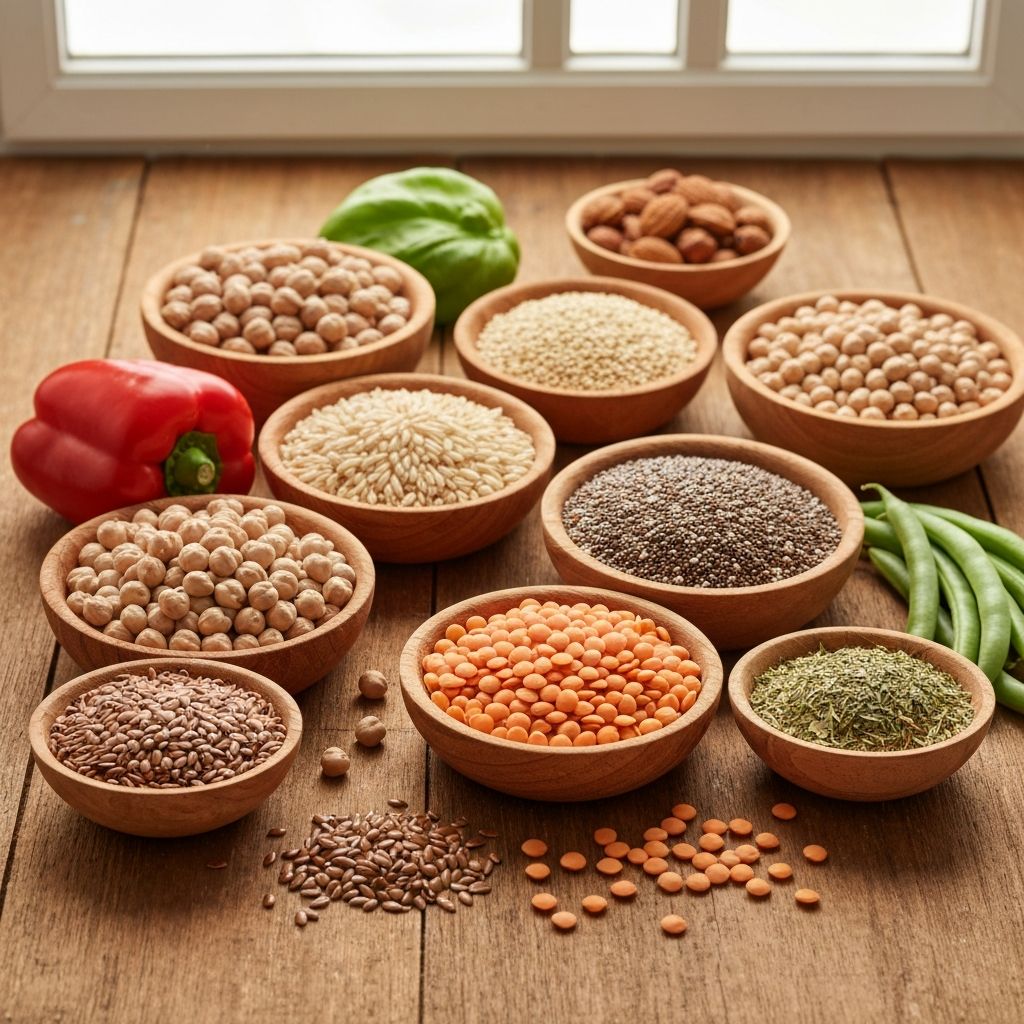
Magnesium supports muscle function, nerve transmission, and energy production. Plant sources include leafy greens, nuts, seeds, legumes, and whole grains. Many men's diets may not provide optimal magnesium levels.
Magnesium-rich foods are typically nutrient-dense and support overall dietary quality. Consistent intake from whole food sources supports metabolic function.

Adequate protein supports muscle maintenance, which becomes increasingly important with age. Plant-based protein sources include:
Combining different plant protein sources throughout the day ensures adequate amino acid intake. Consistency and variety support nutritional adequacy.
Polyphenols and other antioxidant compounds in plants are active areas of nutritional research. Foods rich in these compounds include:
Blueberries, bilberries, and lingonberries contain high levels of anthocyanins and other polyphenols. Consume fresh or frozen for year-round availability.
Broccoli, cauliflower, and kale contain glucosinolates and other bioactive compounds. Raw or lightly cooked preparations retain nutrient content.
Turmeric, beets, and other roots provide various polyphenolic compounds. Diverse root vegetables ensure varied compound intake.
Nutritional science emphasizes whole foods over processed alternatives. Whole plant-based foods provide:
Evidence-based dietary patterns supportive for men over 40 include:
These patterns emphasize variety, whole foods, and consistent nutritional intake rather than restriction or single-component focus.
Individual nutritional needs vary based on health status, medications, lifestyle, and personal factors. While this information provides general educational context, decisions about your specific nutrition should be made with qualified healthcare professionals or registered dietitians who understand your individual circumstances.
Educational content only. No promises of outcomes.
This page provides educational information about nutritional science for men over 40. It is not personalized health advice, medical recommendation, or treatment guidance. Always consult qualified healthcare professionals regarding your individual nutritional needs and health decisions.